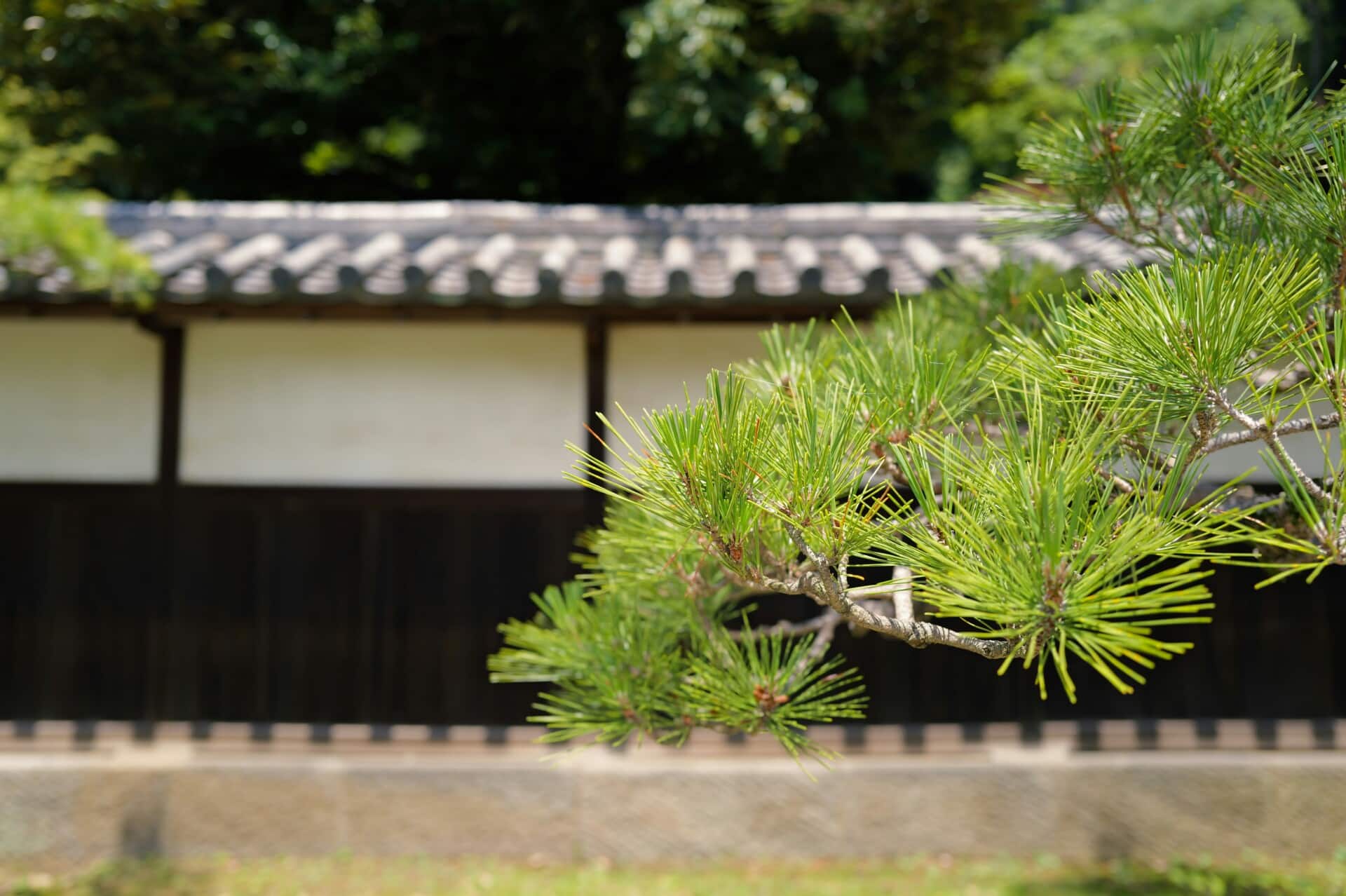
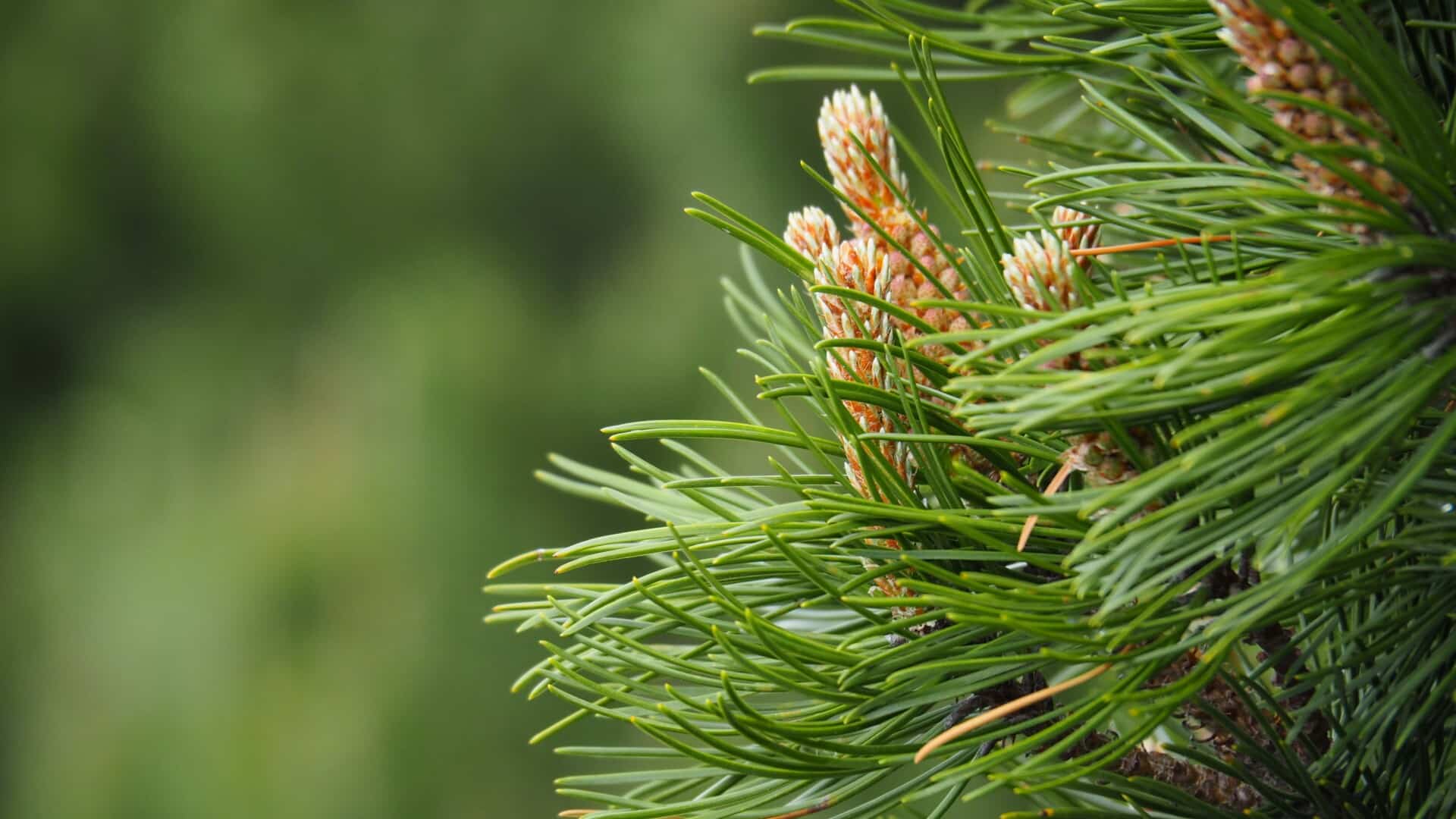
Whether in nature, as a bonsai, or standing alone in a garden. The scent released when the summer sun warms the resin in the pine wood, the colour of its needles, and its twisted, characterful forms are pure botanical poetry. Time to explore the world of Pinus more deeply.
O Christmas Tree
The Pinus is the true and only Christmas tree. O Tannenbaum (O Christmas Tree) is a traditional German song from the 16th century that became world-famous as a Christmas carol. Originally, however, it had nothing to do with Christmas—it was about loyalty and steadfastness, with the pine tree as its symbol. Read this section and you’ll understand why Pinus is the perfect metaphor for resilience.
Pinus is a long-lived genus with a long-term vision: slow growth in youth lays the foundation for a long and healthy life.
Slow for a reason
Popular varieties such as Pinus mugo, parviflora, and densiflora are slow growers. But why is that? Many Pinus species have evolved to survive in nutrient-poor soils. They invest first in developing strong root systems rather than rapid above-ground growth, so they can efficiently absorb water and nutrients. In the early stages of their long lives, this means they grow very slowly above ground.
Slow growth also results in dense, resin-rich wood, making the tree more resistant to disease, insects, and even fire.
The oldest trees in the world are pines. A grove of Pinus longaeva in California is more than 4,800 years old—and still alive. That means some pines were already standing before the pyramids were built!
Pines communicate… through scent!
When a pine is attacked by insects, it can release aromatic compounds to “warn” nearby trees. Those trees then activate their own defences in advance.
What ‘weapons’ are deployed?
The tree increases its resin production: a sticky substance that traps and immobilises insects. The resin also contains compounds that kill harmful fungi and prevent further infection. In addition, the tree emits volatile organic compounds that attract natural predators of its attackers.
Fire as an ally
For millions of years, wildfires have posed a major threat to trees. But clever pine species like Pinus rigida and Pinus palustris have turned this danger into an opportunity. Thanks to thick, fire-resistant bark and branches that begin high up the trunk, they can survive fires. After the flames pass, their cones open and release seeds into the nutrient-rich ash.
Pinus mugo ‘Mops’ is a slow-growing dwarf pine.
Low maintenance. Naturally forms a neat round shape without pruning. Grows just 3–5 cm per year. Great visual impact in the landscape.
Pinus sylvestris, by contrast, is a fast-growing pine. Perfect as a solitary tree in larger gardens. With an average growth of 40–50 cm per year, it becomes a sculptural tree with orange-red bark and an elegant crown of blue-green needles.
Care tips
Pinus is a tough, low-maintenance garden plant, as long as it gets plenty of sun and a well-drained soil.
Choose a sunny spot
Avoid heavy clay soils – light, sandy soil is best
Water young plants during prolonged dry spells
No fertiliser needed
What to remember:
Pinus is your most loyal garden companion.
It brings year-round colour and character to your garden. Pinus plans to grow old—and it’s well equipped to do so. That means, as a gardener, you’ll hardly need to lift a finger.